Rain, humidity and frost on patio furniture: what changes outdoors
Outdoor furniture lives in a changing environment. A table may sit dry for days, then take a heavy downpour, a week of damp air, and a hard freeze before it is used again. Each type of weather acts on furniture in a different way. Understanding those effects makes it easier to choose pieces that suit a climate and to care for them without guesswork.
This matters most for outdoor tables and chairs, since they are used often and left exposed between meals, gatherings, and quiet afternoons. Resin furniture is often chosen for patio use because it can handle moisture better than many untreated materials, but no outdoor product is unaffected by weather. Rain, humidity, and frost each create their own stresses, and the way a piece is built can be just as important as the material it is made from.
Rain: water on the surface and around the joints
Rain is the most visible weather exposure. It wets tabletops, chair seats, arms, legs, and the small spaces where parts meet. The first effect is surface moisture. Water can leave spots, loosen dirt, and make a surface slippery until it dries. A quick wipe after a shower can keep a dining area pleasant to use, especially where leaves or pollen collect.
The deeper concern is standing water. If water pools on a flat tabletop or collects inside a frame, it stays in contact with the furniture far longer than a light shower would. That extended moisture exposure can encourage mildew on nearby cushions or leave residue in seams. On some materials, repeated wetting and drying can affect finishes, edges, or fasteners. Resin pieces tend to shed water well, but shapes still matter. A table designed to drain, with sensible gaps and no deep traps, will dry sooner than one with hollow areas that hold water.
Drainage holes are a small detail with a real purpose. They allow water that enters a seat, frame, or base to escape instead of sitting inside. They also reduce the chance that trapped water will remain through a cold night. When looking at outdoor tables and chairs, it is worth noticing whether water has an easy path out. After rain, a slight tilt of a loose cushion or a check under the seat can reveal whether water is draining or collecting.
Rain also moves dirt. Mud can splash onto lower legs, and mineral content in water may leave a pale film as droplets dry. Surface cleaning is usually simplest when dirt is fresh. Mild soap, water, and a soft cloth are often enough for routine care. Harsh scouring can dull a surface or leave fine scratches that hold dirt later, so gentle cleaning is usually the better first choice.

Humidity: slower changes that are easy to miss
Humidity works differently from rain. It does not need a storm or visible droplets. Damp air can linger around furniture for hours or days, especially in shaded courtyards, near gardens, or close to water. The air slows drying, so surfaces that seem dry at midday may stay slightly damp into the evening.
One effect is comfort. A chair seat or table edge that feels damp is less inviting, even if the furniture itself is in good condition. Cushions and textiles are usually more affected than resin frames because fabric holds moisture. In humid weather, covers that trap damp air can make the problem worse. A breathable cover is generally a better choice than a fully sealed one when furniture is stored outside for a short period.
Humidity can also influence material durability over time. Some materials swell, warp, rust, or develop surface growth when moisture remains high. Resin does not absorb water in the same way as untreated wood, which is one reason it is common in patio settings. Still, hardware, added fabric, and any decorative parts may need more attention than the resin itself. Checking straps, seams, and metal fittings helps catch problems early.
In coastal or heavily shaded areas, a regular wipe-down can make a noticeable difference. It removes the thin layer of salt, dust, or organic matter that can hold moisture against a surface. This is not about making furniture look new every day. It is about reducing what damp air has to work with.
Long lasting outdoor dining pieces are shaped by more than the material label. Design details such as smooth edges, removable cushions, raised feet, and open frameworks help furniture dry after damp weather. These features do not remove the need for care, but they make routine care easier and less frequent.
Frost and freeze thaw cycles
Frost brings a different set of problems. When temperatures fall below freezing, any water left in or around furniture can turn to ice. As it freezes, water expands. When it thaws, it becomes liquid again and may move into another gap. This repeated process is known as freeze thaw cycles, and it can widen small openings, loosen fittings, or stress weak joints.
The risk is highest when water is trapped. A chair frame with poor drainage, a table base that collects rain, or a cushion left soaked before a cold night can all create conditions for ice formation. Resin surfaces may tolerate cold better than some materials, but trapped water can still affect the parts around them. Cracks, rattling joints, or fittings that no longer sit flush are signs worth checking after a cold spell.
Frost can also affect how a surface feels and handles. A cold chair or table may be uncomfortable to touch, and any moisture on it can freeze into a slick film. Clear ice should be allowed to melt naturally rather than struck off with a sharp tool. Scraping can scratch the surface or damage edges. Once thawed, the furniture can be inspected and dried as needed.
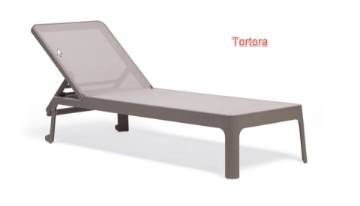
Protective storage is useful where winters are harsh or freezes are sudden. Moving smaller chairs and tables to a sheltered area reduces repeated exposure to rain, frost, and wind. Larger pieces may need covers, but covers work best when the furniture is clean and dry first. Covering damp furniture can hold moisture close to the surface through freezing weather.
When long lasting outdoor dining pieces are used in a place with cold winters, the aim is not to fight every weather change. It is to reduce the number of harsh cycles the furniture must endure. Dry storage, sensible covers, and a few simple checks can do more than frequent heavy cleaning.
Sun, rain, and the combined effect
Weather rarely acts alone. A table may bake in sun during the day, take rain in the evening, then dry quickly the next morning. This repeated expansion, wetting, and drying can affect surfaces in ways that one type of weather would not. UV stability matters here because sunlight can fade colour and make some surfaces more brittle over time. Rain may then wash away loose residue, while humidity slows the drying that follows.
Colour change is often gradual. A piece may still be structurally sound while looking duller than it did when new. That is a normal consideration with outdoor use. Placement can slow the change. Shade from a structure, careful spacing between pieces, and rotating lightweight chairs can reduce constant exposure on one side.
It is also worth thinking about how furniture is used. Dining tables collect spills, chair arms receive repeated contact, and benches may stay damp longer where people sit less often. The places that get the most use may need the most routine attention. A quick visual check after rough weather is often enough to spot loose parts, standing water, or debris caught in joints.
What to look for before weather arrives
A little planning helps furniture age more evenly. Before a wet or cold season, clear leaves from around legs and bases, since trapped organic matter holds moisture. Look for drainage holes that may be blocked by dirt. Check whether cushions can be removed and stored separately. If a piece has metal fittings, notice whether they sit securely and whether water collects around them.
During a rainy spell, small habits make a difference. Wipe obvious puddles from tabletops, dry metal parts that stay wet, and let fabrics air out when possible. After frost, wait for a full thaw before moving pieces that may be stiff or icy. Forced movement at that stage can stress joints or cause a fall.
Professional help is the right choice for any issue involving electrical or gas features built into an outdoor setting, such as heaters or lighting systems. Furniture care should stay with simple visual checks, gentle cleaning, and safe handling. If a fixture has a damaged power cord, gas smell, or faulty control, leave it alone and have a qualified professional inspect it.
Choosing with the climate in mind
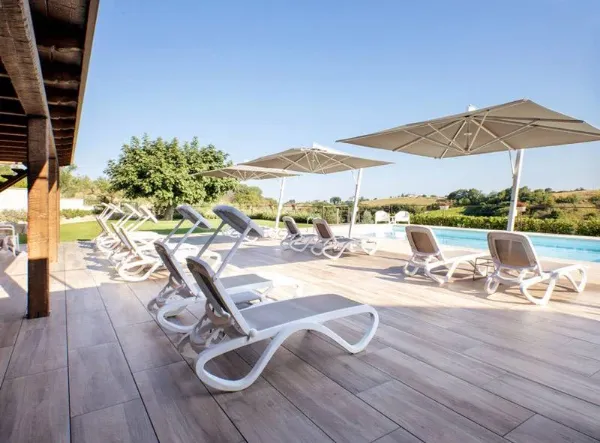
The best furniture choice depends on where it will sit. A sheltered balcony has different needs from an open garden or a commercial patio exposed to wind and rain. In damp climates, quick drainage and easy cleaning matter. In places with frost, storage and resistance to trapped water matter more. In sunny regions, colour retention and UV stability deserve attention.
Resin outdoor furniture fits many of these situations because it is designed for outdoor use and can be made in forms that shed water and clean easily. Chairs, dining sets, benches, lounges, swings, and tables all benefit from the same basic approach: keep water moving away, remove grime before it builds, and reduce unnecessary exposure during harsh weather.
None of this turns furniture into an indoor product. Outdoor tables and chairs are meant to be used, not kept under perfect conditions. Rain will wet them, humidity will hang around, and frost may visit in colder months. The practical goal is to understand those forces, choose construction that handles them well, and give each piece enough care to stay comfortable, stable, and good looking through many seasons.